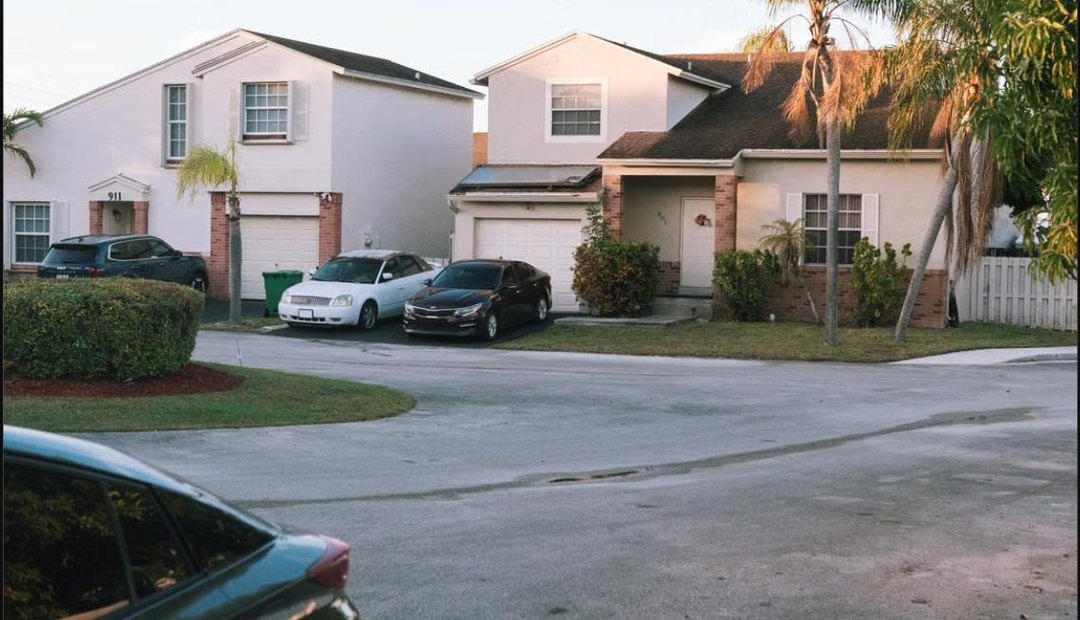
Why inherited houses end up on the auction list
It is rarely neglect. It is confusion. When someone passes, the mortgage statement keeps coming in their name. The tax bill keeps coming in their name. The family assumes the bank knows, or that the taxes are being paid out of something, or that nothing can happen until the estate is settled. Meanwhile the lender files, or a tax certificate holder applies for a tax deed, and a sale date lands in a mailbox nobody checks anymore.
Three situations bring most families to me:
- A regular mortgage that stopped being paid. The loan went into default after the death, the lender sued the estate and the heirs, and a judge set a foreclosure sale date.
- A reverse mortgage. These come due when the last borrower dies. The heirs get a notice and a short window to pay it off, sell, or hand the house back. Families often do not realize how short that window is until the foreclosure is already filed.
- A paid-off house with unpaid taxes. No mortgage at all, just property taxes that went unpaid for a few years after the death. The county sold tax certificates, a certificate holder applied for a tax deed, and now there is a clerk's sale date on the family home.
The sale does not wait for probate. A lender or the county can auction the house while the estate is still open, or before anyone has opened one at all. The heirs' window to act is the same as any owner's: before the sale date.
Can you sell a house that is still in probate? Yes, with the right authority
This is the question I get most, so here is the plain answer. An inherited house can be sold before the sale date, but someone has to have the legal authority to sign the deed, and a Florida title company has to be satisfied that the authority is real. What that looks like depends on the estate.
- A personal representative has been appointed. If the court has issued Letters of Administration, the personal representative can generally sell the property, sometimes with a court order depending on the will and the type of administration. This is the cleanest path.
- The house was the parent's homestead. In Florida, homestead property usually passes directly to the spouse or heirs outside the probate estate. The heirs can sell it, but title companies typically want a court order confirming who the heirs are. That order can often be obtained quickly.
- No probate has been opened. Then one usually has to be, but it does not have to be the long kind. Smaller estates, and estates where the death was more than two years ago, may qualify for summary administration, which is faster and cheaper. As of July 1, 2026, Florida raised the summary administration limit from $75,000 to $150,000, so more estates qualify now than did a year ago.
I am not an attorney, and every estate is different. What I can tell you is that we have closed on inherited houses in every one of these situations, and that a good probate attorney can move fast when there is a sale date and a buyer with cash waiting at the table. We work with attorneys who do exactly that, and we are glad to work with yours.
What the sale actually looks like for a family
- We figure out who can sign. One conversation about the will, the heirs, and whether a probate case exists. If the estate needs a filing, we get an attorney moving that week.
- You get a written cash offer. As is. Nobody has to clean out the house, fix the roof, or agree on paint colors. Personal belongings can stay until closing or after, by agreement.
- The lender's attorney or the tax collector gives us the payoff. That is the exact amount that has to be paid to stop the sale.
- The title company closes it. The payoff is made from the purchase price. The sale is canceled. What is left goes to the estate or to the heirs, split the way the will or Florida law says.
The house does not have to be empty, nobody has to fly in, and documents can be signed remotely with a notary. Out of state heirs are normal. Heirs who do not speak to each other are normal too. My job is to keep every one of them informed and get every one of them paid.
When the family does not agree
A sibling is living in the house and does not want to leave. A cousin thinks it is worth more. Someone cannot be found. I have seen all of it, and I will tell you what I tell every family: the auction does not care. If the sale date arrives with the family still arguing, everyone loses, including the sibling in the house, who then gets an eviction from a stranger instead of a check from the closing. A cash sale before the date turns one house into money that can be divided. That is usually the thing that finally brings everyone to the table.
Once a sale is published, investors will find the heirs. Some will offer to "buy your share" for a small amount, or ask you to sign a quitclaim deed for cash. Do not sign anything outside a licensed title company, and do not sell a share of a house you could sell whole.
What I need from you
The address. The name of the person who passed and roughly when. A copy of the will if there is one, and whether a probate case has been opened. The names of the heirs as best you know them. The latest notice from the lender, the clerk, or the tax collector. That is enough for me to tell you, usually the same day, what the sale needs and whether we can beat the date.
What to do this week
- Find the sale date. It is on the notice, and it is on the clerk's foreclosure or tax deed website under the owner's name. Do not guess.
- Gather the paperwork you have. Death certificate, will, the deed if you can find it, and every envelope from the lender or the county. Photos are fine.
- Do not sign anything yet. Not a quitclaim, not a "consultation agreement," not a listing. Get the facts first.
- Call or text (786) 920-7419. Tell me the address and the date. I will tell you what the estate needs and connect you with a probate attorney if you need one.
If the problem is a mortgage sale, the timeline is short and you should read selling before the foreclosure auction. If it is unpaid taxes, read behind on property taxes in Florida. And for Miami-Dade and Broward families, here is where the local sales happen and how to look up the property.